What to check on a Ford Focus (2010–2013), according to 273,401 MOT tests
Every MOT test in Great Britain is published by the DVSA. These are the ones carried out on this exact model and registration years — so this is what genuinely goes wrong with it, not a general list of things that go wrong with cars.
The faults that come up most on this one
These are the specific things MOT testers wrote down, as a share of every test on this model. Advisories are excluded — each one below is an outright failure.
Read as a share of all tests, not of failures: 7.4% means 7.4 in every 100 cars of this model failed on coil spring — fractured or broken.
What age does to this car
The same model, by the year it was first registered. This is usually the real question behind "should I just buy the older one".
Based on 690,477 tests across all bands.
How many Ford Focus are still on the road?
DVLA licensing records count 857,445 Ford Focus on the road in Great Britain at the end of 2026 Q1 — every generation together, or 1 in every 39 cars out there. Another 100,497 are registered but declared off-road (SORN).
Numbers peaked at 1,450,877 in 2013 — 41% of that peak has since left the road. Of the survivors, 67% are petrol and 85% are manuals.
The survivors, by trim
How many Ford Focus are left, year by year →
Source: DfT/DVLA vehicle licensing statistics, table VEH0120, 2026 Q1. Contains public sector information licensed under the Open Government Licence v3.0. Counts cover the Ford Focus across all registration years, not only 2010–2013.
What to look out for when you go and see one
The record says what fails. These are the checks that catch each one on a forecourt, with what it costs if you find it — taken from the walkaround AutoSpect builds around a specific car's own history.
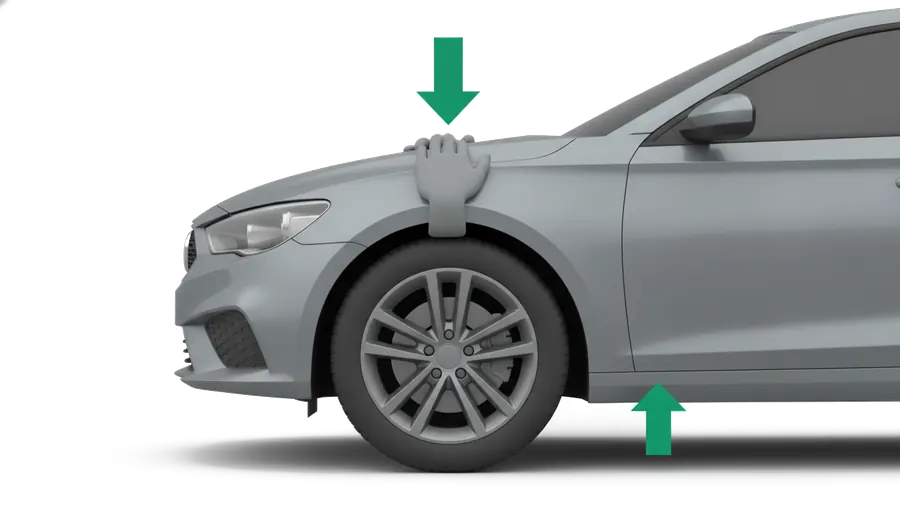
Suspension · 15.3% of tests
Push down firmly on each corner — press on the body directly above the wheel, not the middle of a panel — and watch it settle
It should rebound once and stop; continued bouncing means worn shock absorbers (£150–400 a pair). Press only on the strong point over the wheel — bonnets and some wings are plastic or aluminium and can dent or crack if leaned on.
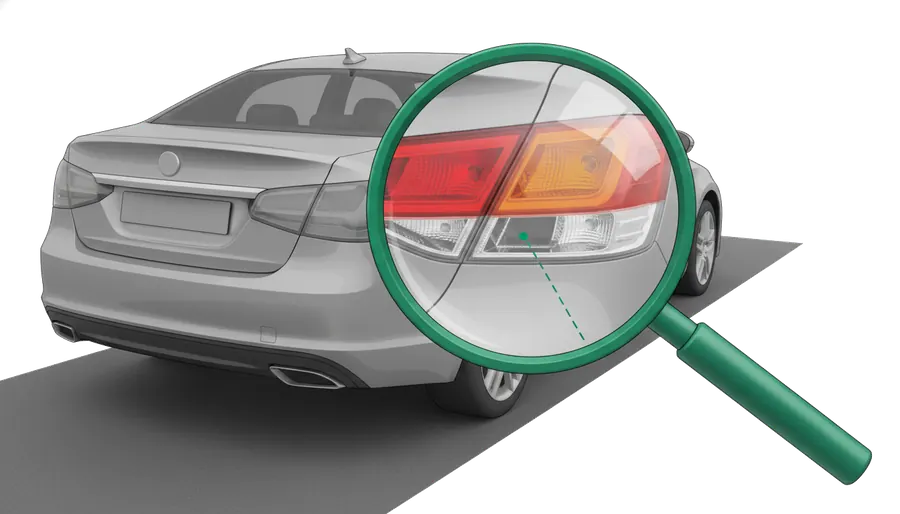
Lamps, reflectors and electrical equipment · 13.5% of tests
With the seller's help, test every exterior light — head, brake, indicators, reversing, fogs
Failed bulbs fail the MOT; LED/xenon units can be very expensive on premium cars. Needs the key and someone working the switches — save it for when the seller joins you.
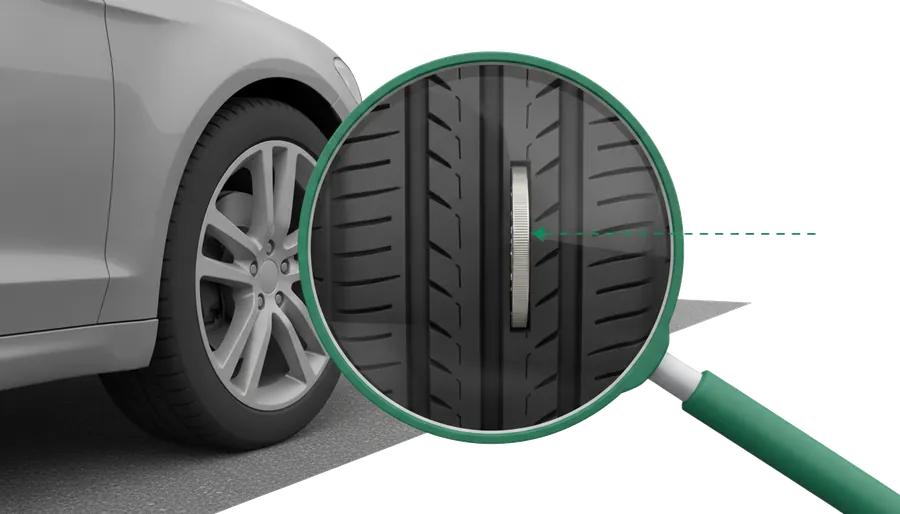
Tyres · 7.8% of tests
Check all four tyre tread depths (legal minimum 1.6mm) — a 20p coin makes a quick gauge
Insert a 20p into the groove: if the coin's outer band is visible, the tread is near the limit. Worn tyres are an MOT failure and a safety risk; a set can be £300–600.
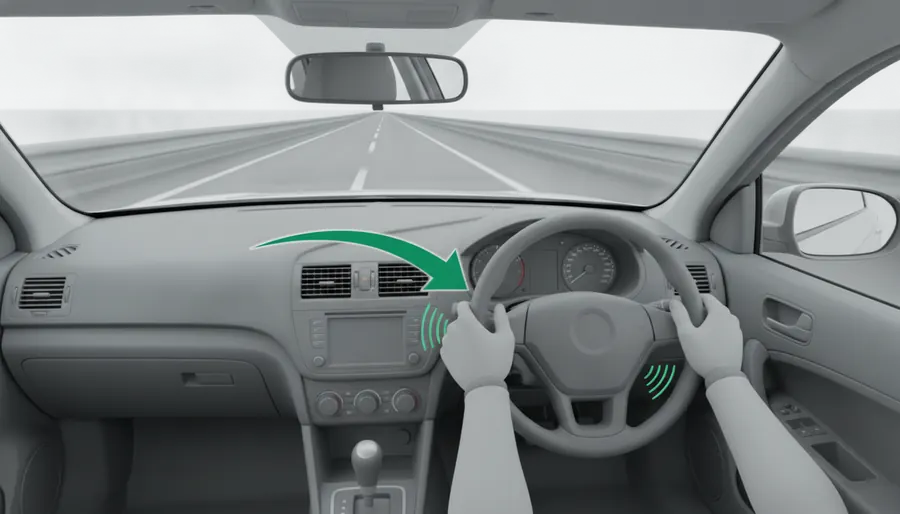
Brakes · 5.3% of tests
On a clear, safe road brake firmly once from ~30 mph — feel for pulling or judder
Pulling to one side or a pulsing pedal means warped discs, a sticking caliper or uneven brakes (£150–500+).
Free · no account, no card
Check the actual Ford Focus you're looking at
This page is the model. Type the registration and you get that car's own MOT history, its mileage record, its tax status and the questions to ask the seller before you travel.
Source: DVSA anonymised MOT tests and results, 2023 — the most recent year published. Class 4 standard tests only; retests and appeals excluded. A test recorded as "pass after rectification" counts here as a first-time failure, because from a buyer's point of view it failed. Contains public sector information licensed under the Open Government Licence v3.0.