Free guide · the baseline ·
What to check when buying a used car
These are the 48 baseline checks worth doing on any used car, in the order you would do them at the kerb. Every one says what to look for, why it matters, and roughly what it costs if it is wrong. Free, in full, nothing held back.
If you only do 7 things
The ones graded critical: the checks that lose you the car, rather than the ones that lose you a few hundred pounds.
- Crouch down and inspect sills, arches and the underside for rust
Structural corrosion on sills or subframe can fail an MOT and make a car uneconomical to repair.
- Turn the ignition to position II — watch ALL warning lights light up, then most go out
A light that never illuminates may have had its bulb removed to hide a fault (airbag, ABS, engine, oil). The biggest used-car con. Normal: the engine light STAYS ON at position II and only goes out once the engine is started — only a light still on with the engine running is a problem.
- Before starting, touch the bonnet — it must be stone cold
Sellers warm the engine to hide cold-start faults. Timing-chain rattle, rod-bearing knock and turbo noise are only audible from cold.
- Pull away and accelerate — power should build smoothly, with no jerk, slip, clunk or hesitation
Jerking, slipping or clunking under power points to a transmission, clutch, driveline or (on an EV) inverter/reduction-gear fault.
- Check the V5C logbook: seller's name & address match, and the VIN + engine number match the car
A mismatch can mean a cloned identity or a write-off rebuild. Never buy from someone who isn't the registered keeper.
- Under acceleration, watch the exhaust in your mirrors for smoke
Blue smoke = burning oil; black = over-fuelling/DPF; white beyond warm-up = coolant in the engine. Cold-start smoke is covered separately in the Cold Start Check, right after the engine first fires.
- Check gear changes are smooth — manual: the clutch bites cleanly and doesn't slip; auto: no jerk, flare or slip
A high or slipping clutch, or an auto that hunts/slips, signals an expensive transmission repair (£600–3,000+).
There is1 more critical check that only apply to electric cars, below. Which of these matter most depends on the car — which is the whole reason the paid walkaround is built per vehicle rather than handed out as one list.
The same car, checked both ways
A 2018 Golf with six MOTs, zero failures, one keeper and below-average mileage. It passes every check on this page. Here is what the checks on this page cannot tell you about it.
On this page · free48
Check all four tyre tread depths (legal minimum 1.6mm) — a 20p coin makes a quick gauge
Insert a 20p into the groove: if the coin's outer band is visible, the tread is near the limit. Worn tyres are an MOT failure and a safety risk; a set can be £300–600.
True of this Golf. True of every car ever made.
Added for this carProvenance
Outstanding finance
A hire-purchase agreement was registered on 26 February 2026 with VW Financial Services over a 30-month term. It has not been settled.
The finance company owns this car, not the seller. Buy it as it stands and it can be repossessed from your drive.
Added for this carModel + MOT
DPF clogging on short journeys
This car averages 7,898 miles a year, which is low, and a diesel particulate filter needs sustained motorway running to burn off soot. Low annual mileage made up of short trips is the exact recipe for a blocked filter. Ask what journeys it actually did, not just how many miles.
Built from its own mileage record and its exact engine. Typically £1,000–£2,400 to put right.
Check a registration free → See the full report for this car →
Exterior
Panels, tyres, lights, glass and bodywork
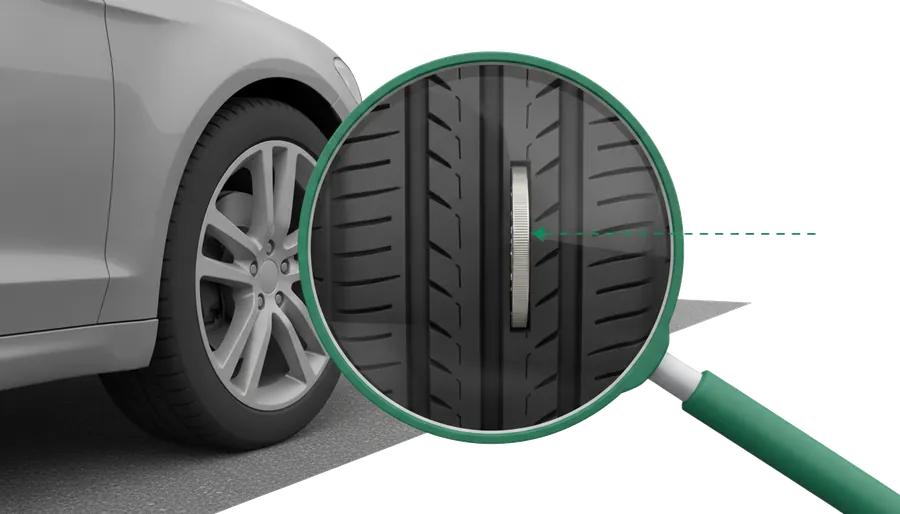
Check all four tyre tread depths (legal minimum 1.6mm) — a 20p coin makes a quick gauge
Insert a 20p into the groove: if the coin's outer band is visible, the tread is near the limit. Worn tyres are an MOT failure and a safety risk; a set can be £300–600.
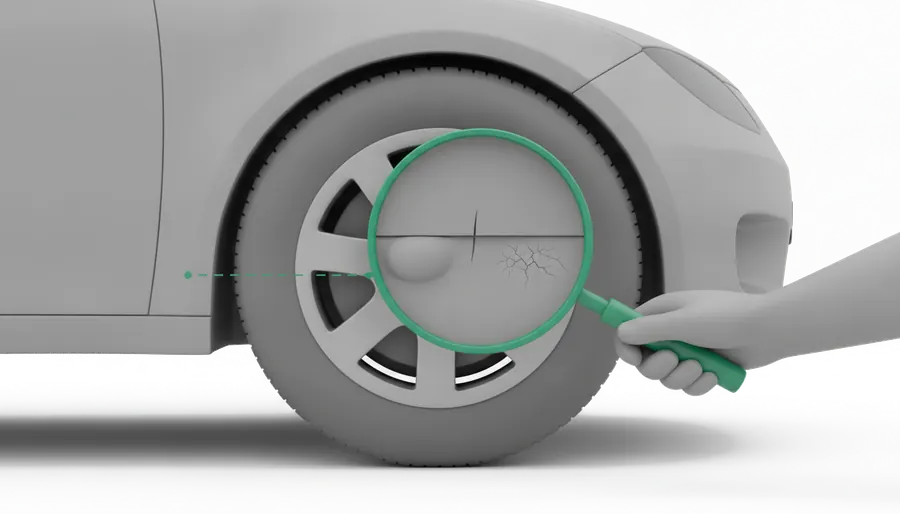
Inspect tyre sidewalls for bulges, cuts or perishing
Sidewall damage is unrepairable and can blow out. Cracking means the tyre is age-perished.
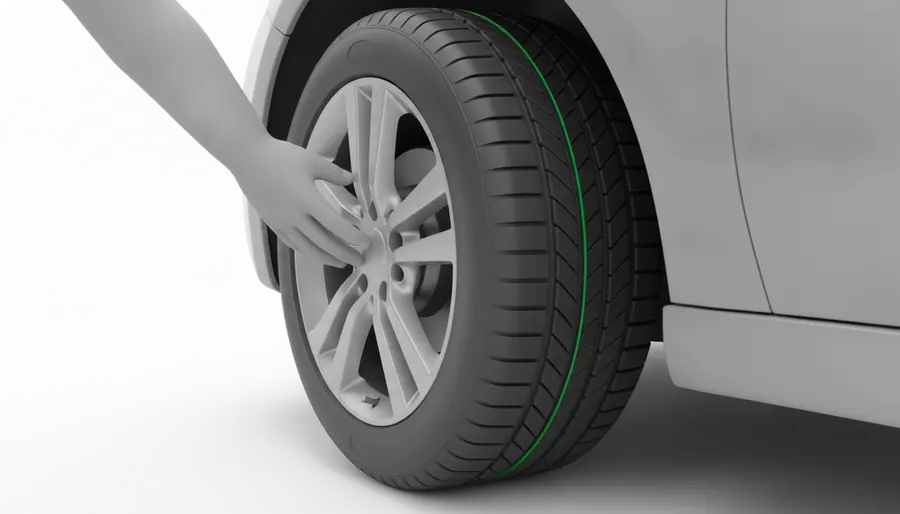
Check tyre wear is even and read the DOT age code
Inner/outer-edge wear points to alignment or worn suspension; tyres over ~6 years perish even with tread.
Note the tyre brands — matching premium brands, or a cheap mixed bag?
Quality tyres (Michelin, Continental, Goodyear, Bridgestone, Pirelli) on all corners suggest a cared-for car. Budget brands or mismatched makes on the same axle signal penny-pinching — and a negotiation point.
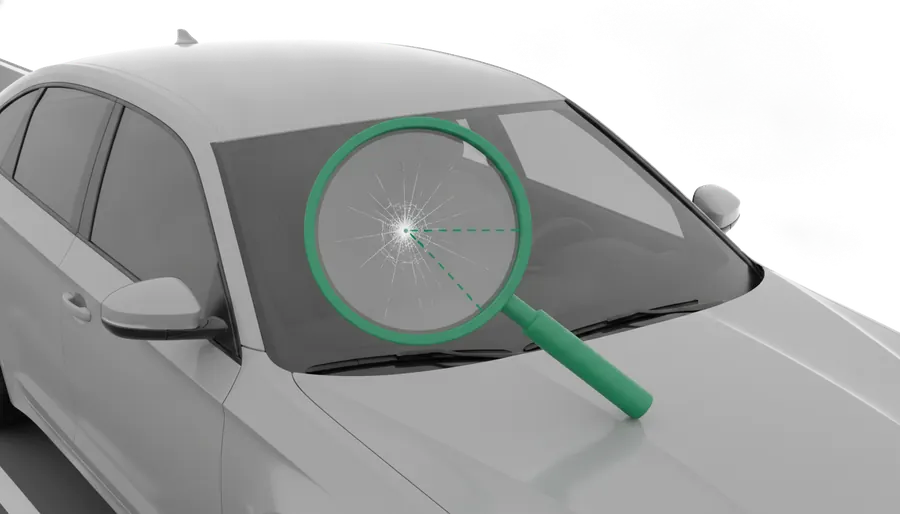
Inspect the windscreen and all glass for chips or cracks
A chip in the driver's eyeline, or a crack over 40mm, fails the MOT (~£300–500 to replace).
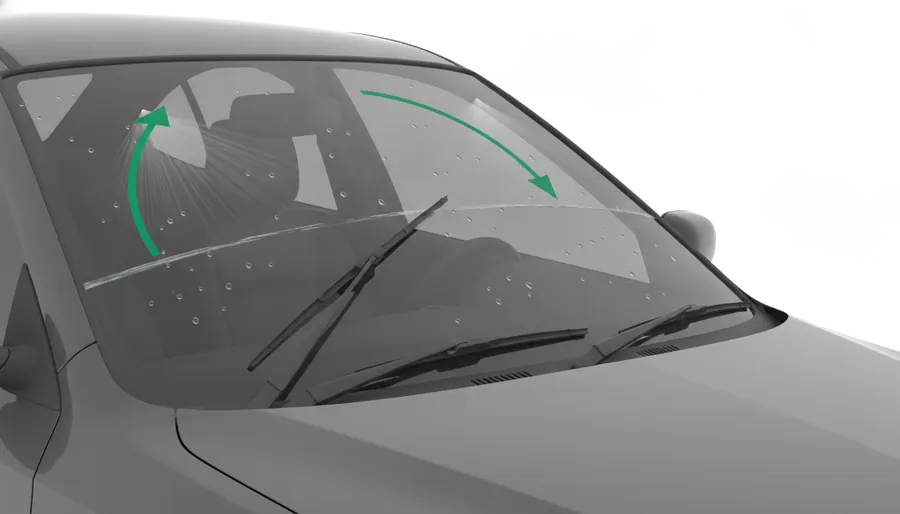
Test the wipers and washer jets front and rear
Smearing blades and blocked or misaimed jets are MOT items and cheap negotiation points.
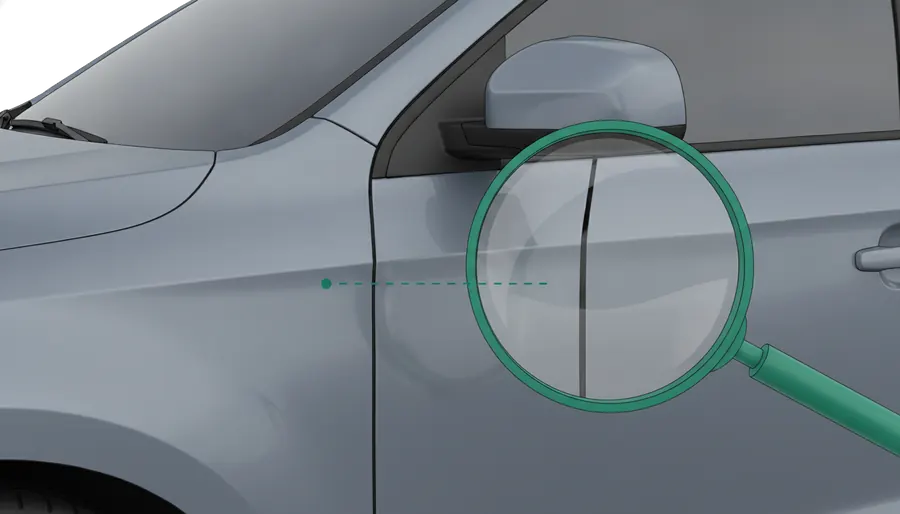
Check all panel gaps and look for paint colour or texture mismatch
Uneven gaps, overspray or mismatched paint are the clearest signs of accident repair.
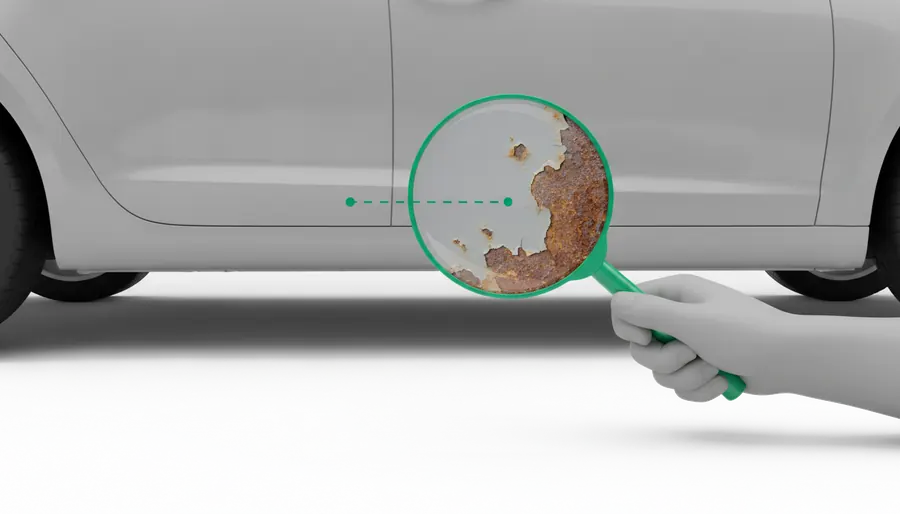
Crouch down and inspect sills, arches and the underside for rust
Structural corrosion on sills or subframe can fail an MOT and make a car uneconomical to repair.
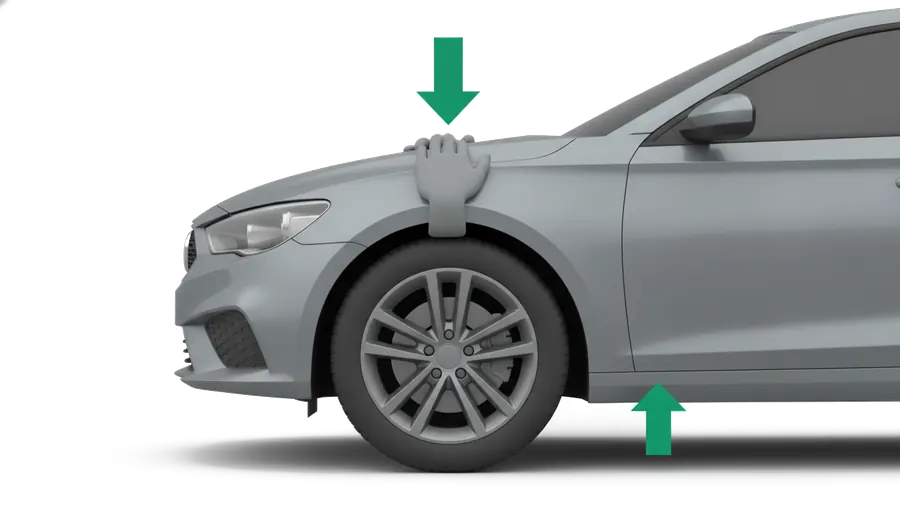
Push down firmly on each corner — press on the body directly above the wheel, not the middle of a panel — and watch it settle
It should rebound once and stop; continued bouncing means worn shock absorbers (£150–400 a pair). Press only on the strong point over the wheel — bonnets and some wings are plastic or aluminium and can dent or crack if leaned on.
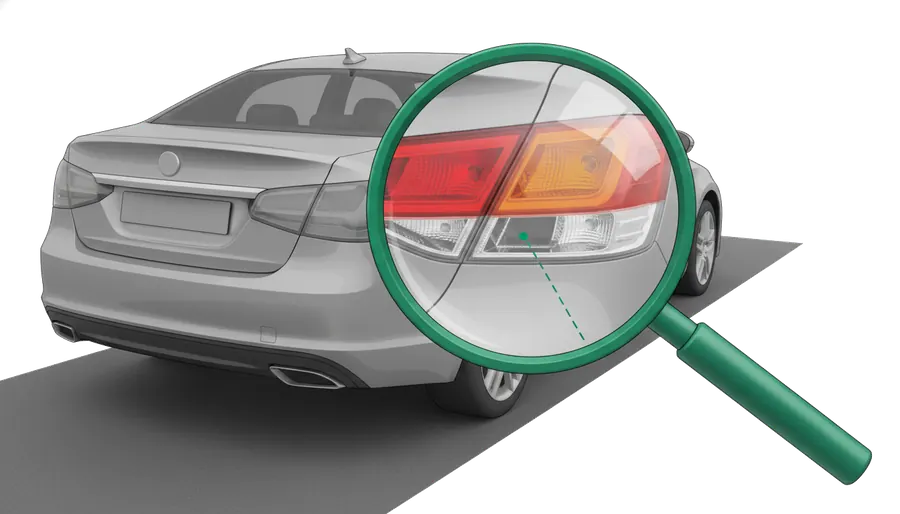
With the seller's help, test every exterior light — head, brake, indicators, reversing, fogs
Failed bulbs fail the MOT; LED/xenon units can be very expensive on premium cars. Needs the key and someone working the switches — save it for when the seller joins you.
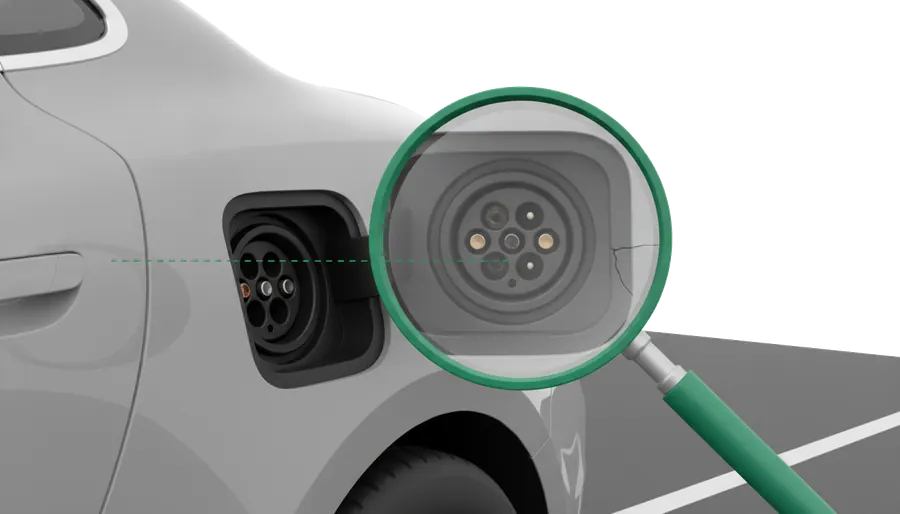
Inspect the charge port for damage and, if possible, plug in and confirm charging starts
Port damage, melted pins or software faults can stop the car charging; repairs can be significant.
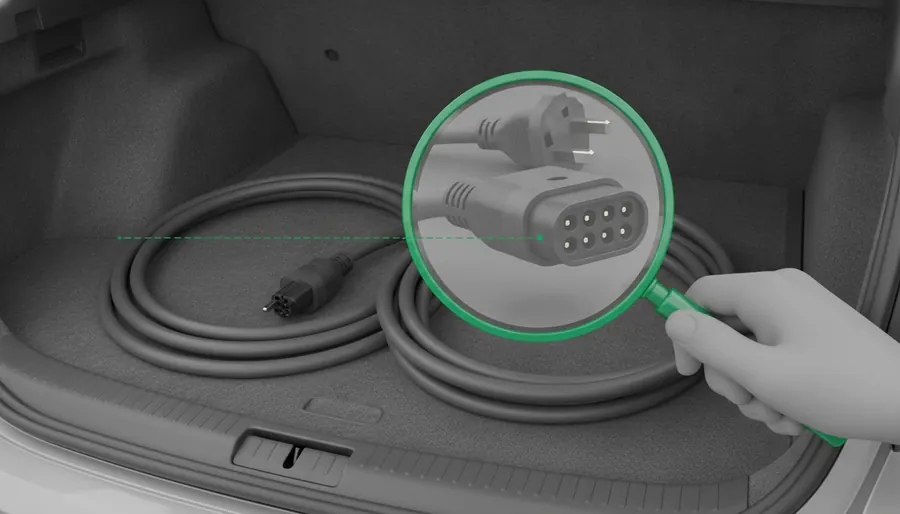
Confirm the charging cables are included (Type 2, and a 3-pin 'granny' lead)
Replacement charging cables are £100–300 each — easy to forget and a fair negotiation point.
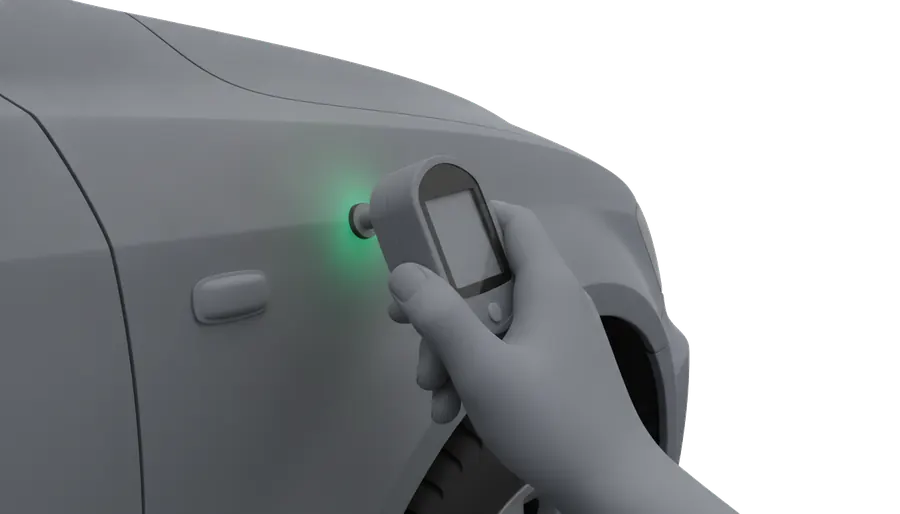
Measure paint depth on every metal panel with your gauge — note any reading far outside the usual 80–200µm
Factory paint is fairly even. A panel reading much thicker means filler or a respray hiding accident repair. Plastic panels (most bumpers, and some wings and bonnets) won't read on a standard gauge — that's normal, skip them.
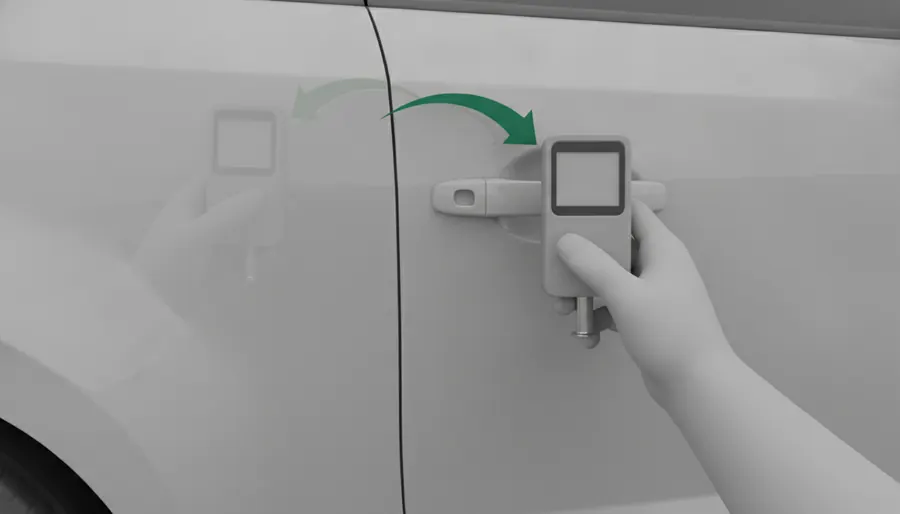
Compare paint thickness across adjacent panels — flag any panel reading 2–3× its neighbours
One panel far thicker than the doors and wings around it is a repainted or replaced panel — ask the seller why.
Under the Bonnet
Fluids, leaks, belts and the engine bay
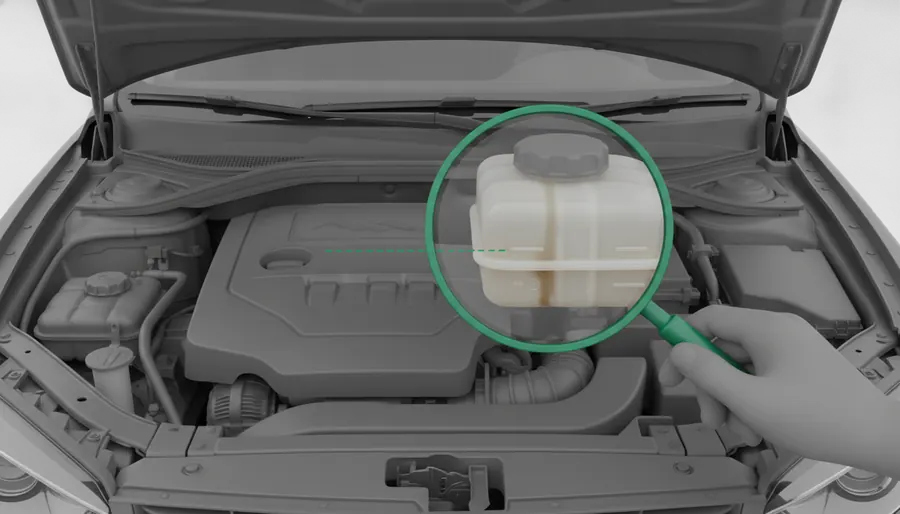
If the reservoir is visible, check the brake fluid level between the min/max marks, and look for power-steering fluid leaks if it's hydraulic
Low brake fluid points to worn pads or a leak — a safety item — and dark, old fluid signals skipped servicing. On many cars the reservoir hides under the plastic scuttle trim by the wipers — don't dismantle anything; mark it N/A and rely on the brake warning-light check instead.
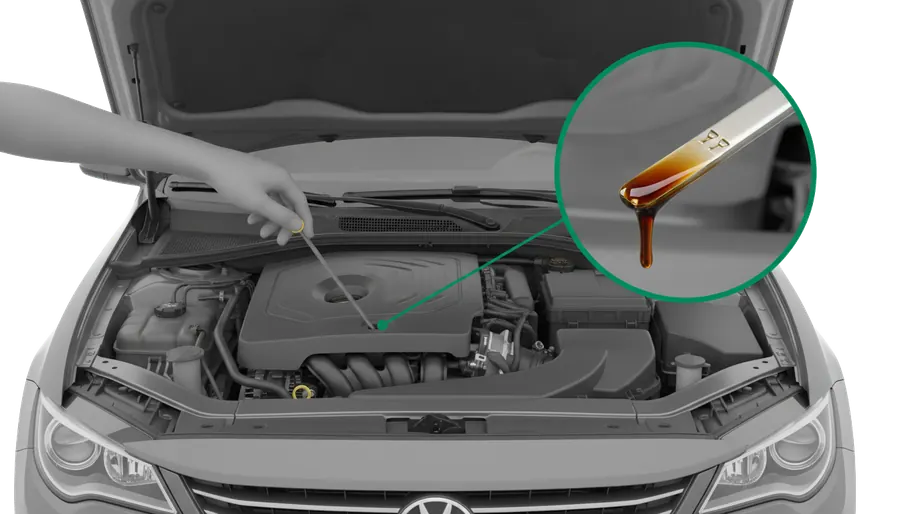
Check the engine oil level and colour — on the dipstick, or via the driver display if there's no dipstick
Jet-black oil suggests an overdue service; milky or frothy oil is a head-gasket warning. Many modern cars (most BMWs and Mercedes included) have no dipstick — use the onboard oil-level menu instead.
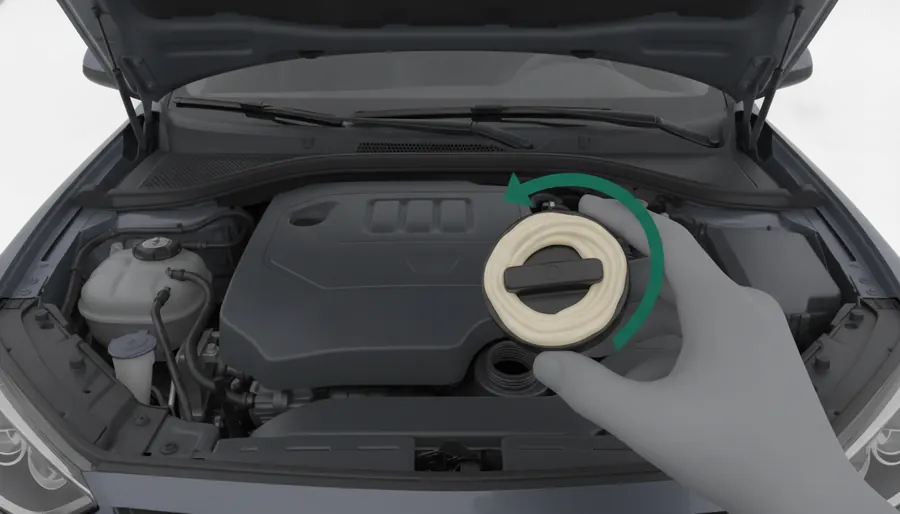
Unscrew the oil filler cap and look underneath for a mayonnaise-like sludge
Creamy residue under the cap is a classic sign of a failing head gasket or chronic short trips.
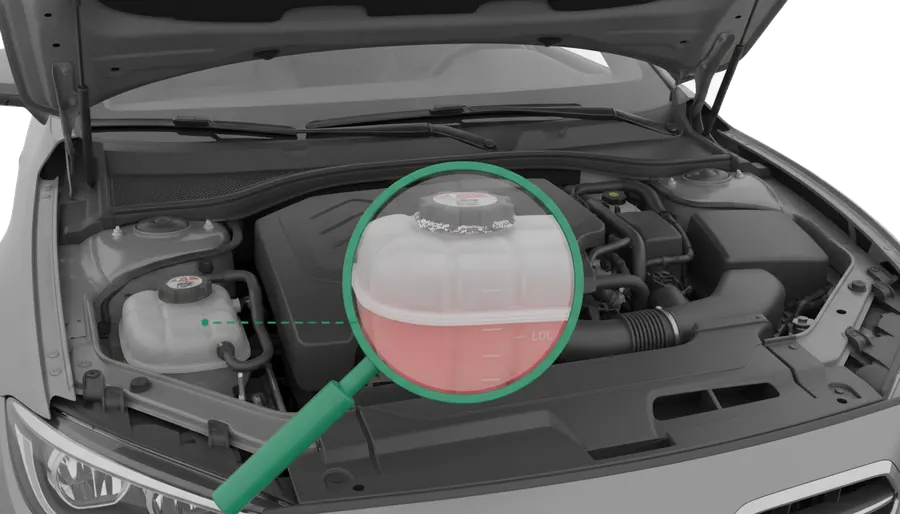
Check the coolant level and colour in the expansion tank
Never open the coolant cap on a hot engine: it can release scalding fluid and steam. Brown or oily coolant means internal corrosion or head-gasket cross-contamination; it should be clear blue/pink.
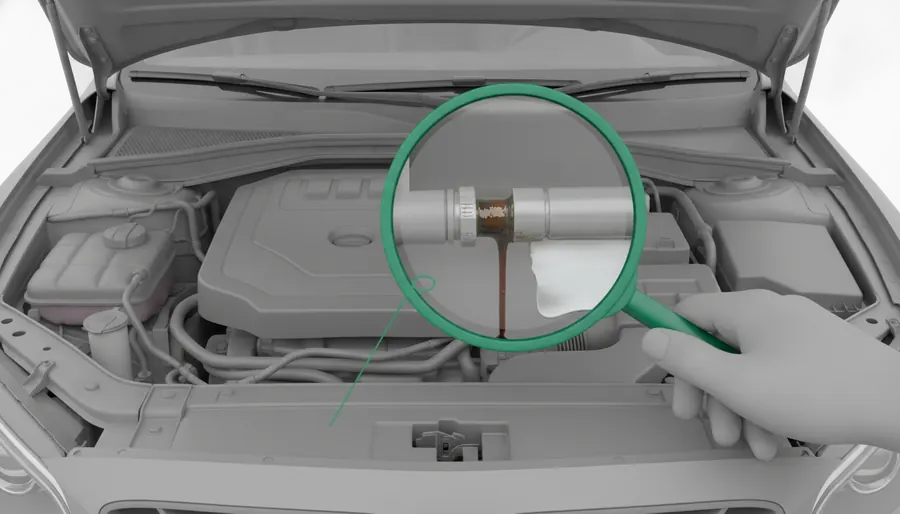
Scan the engine bay for fresh leaks — or signs it's been recently steam-cleaned
Weeping seals and gaskets are common; a suspiciously spotless bay can be hiding an active leak.
For a Euro 6 diesel, check the AdBlue level / no SCR warning
An empty AdBlue tank or SCR fault can prevent the car starting and is a Euro 6 emissions item.
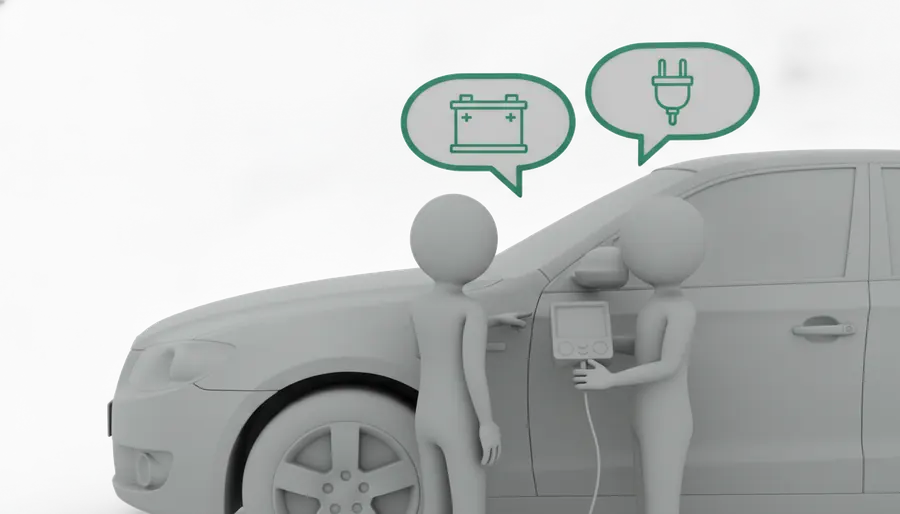
Ask for the high-voltage battery state of health (BMS / OBD / dealer readout)
The traction battery is the most expensive component. Below ~80% SoH means reduced range and value.
Interior
Electrics, trim, seats and signs of wear
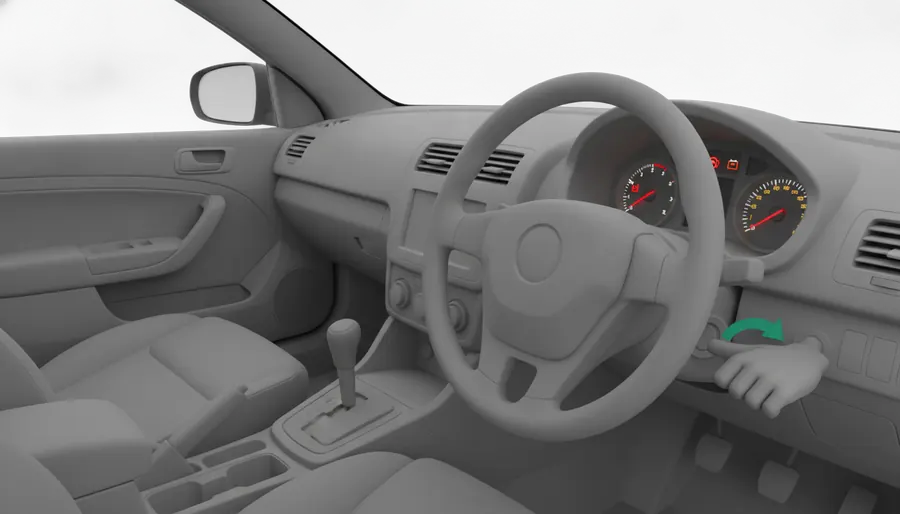
Turn the ignition to position II — watch ALL warning lights light up, then most go out
A light that never illuminates may have had its bulb removed to hide a fault (airbag, ABS, engine, oil). The biggest used-car con. Normal: the engine light STAYS ON at position II and only goes out once the engine is started — only a light still on with the engine running is a problem.
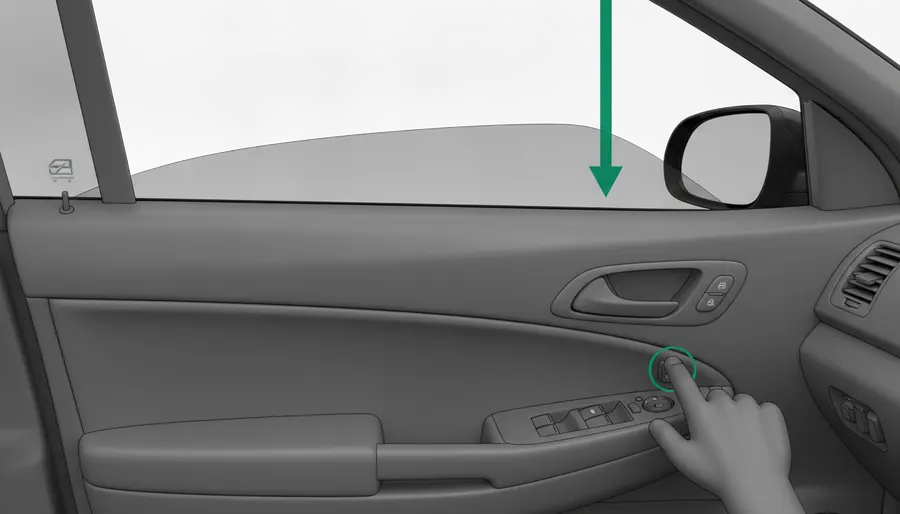
Test all electrics — windows, mirrors, central locking, heated seats, infotainment
Electrical faults are slow and costly to diagnose. Test everything works before committing.
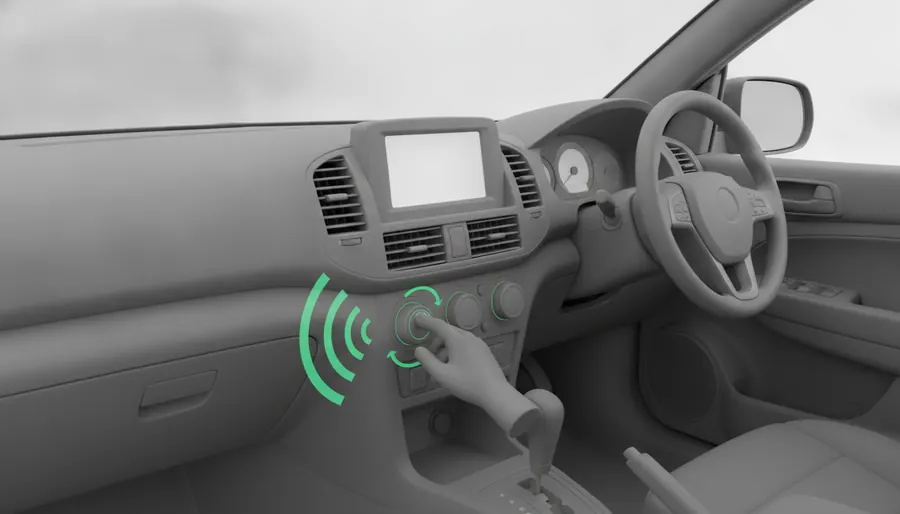
Test the full audio system at high volume — every speaker, the subwoofer and the amplifier — on both radio and Bluetooth
Blown speakers or a failed amplifier are easy to miss on a quiet test and often cost £200–500+ to repair — more on premium systems (Bose, Bang & Olufsen, B&O, Burmester).
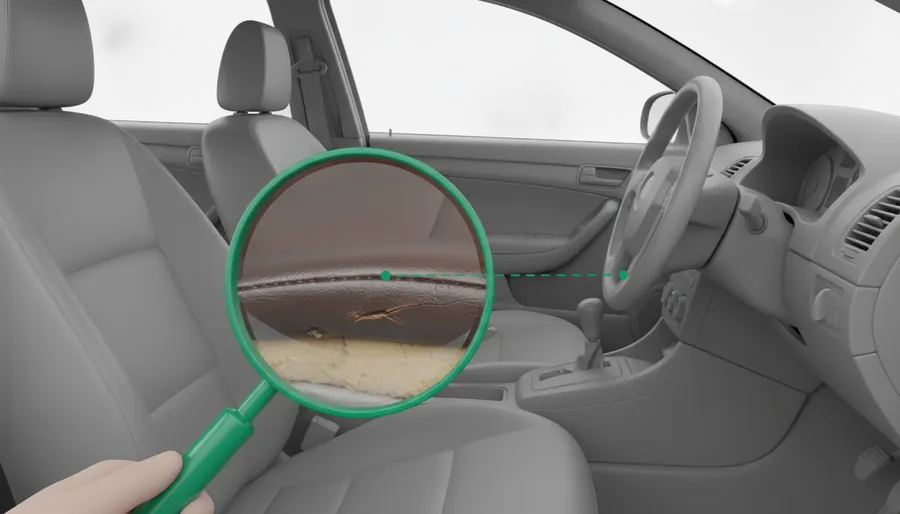
Compare interior wear — seat bolsters, steering wheel, pedal rubbers, gear knob — against the odometer reading
Heavy wear on a supposedly low-mileage car is a classic clocking sign. Cross-check it against the MOT mileage history.
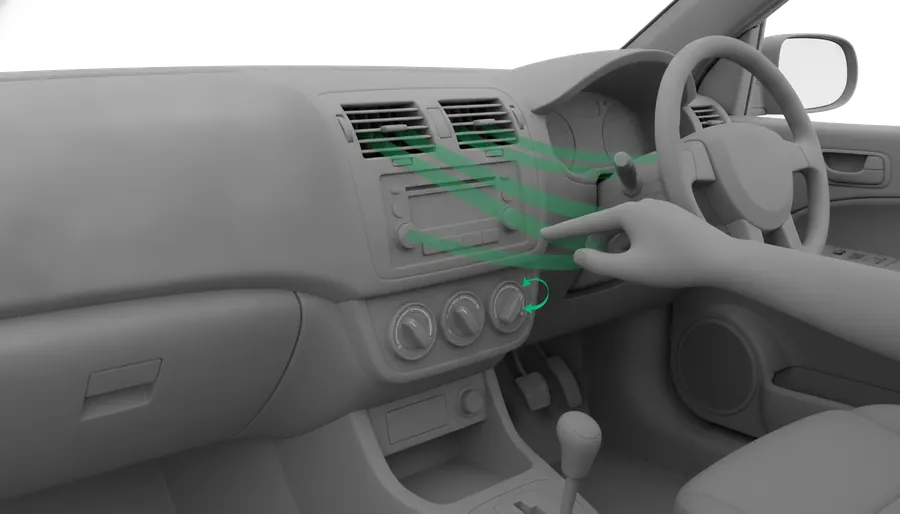
Set the AC to max cold and confirm cold air at every vent within 30 seconds
A weak or warm system means a re-gas or a failed compressor (£150–1,500).
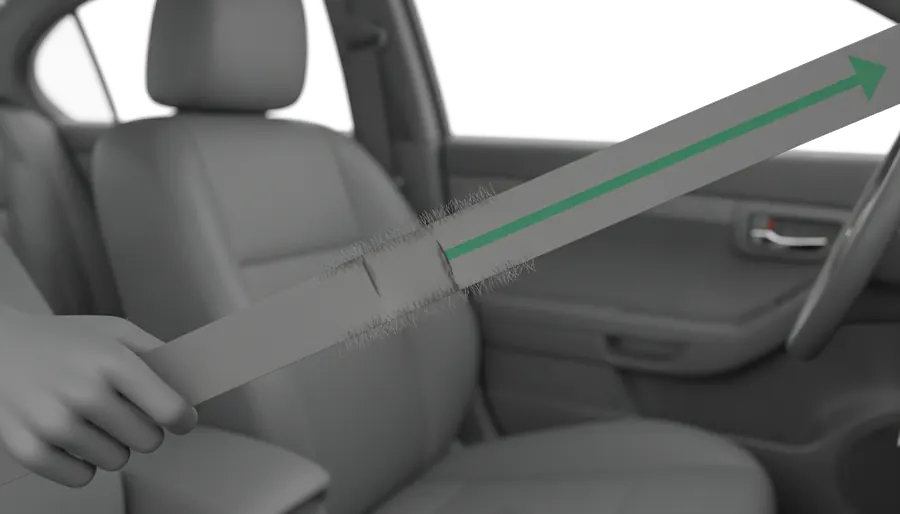
Tug each seatbelt sharply and check it locks; inspect the webbing for fraying
Belts that don't lock or are frayed are an MOT failure and a serious safety risk.
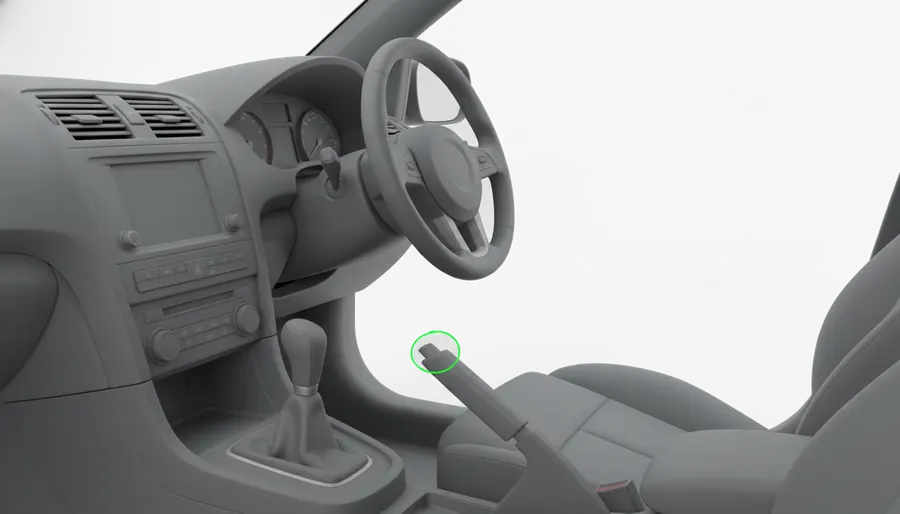
Apply the handbrake / electronic parking brake on a slope and confirm it holds
A brake that creeps or warns is an MOT failure; EPB module faults can be expensive.
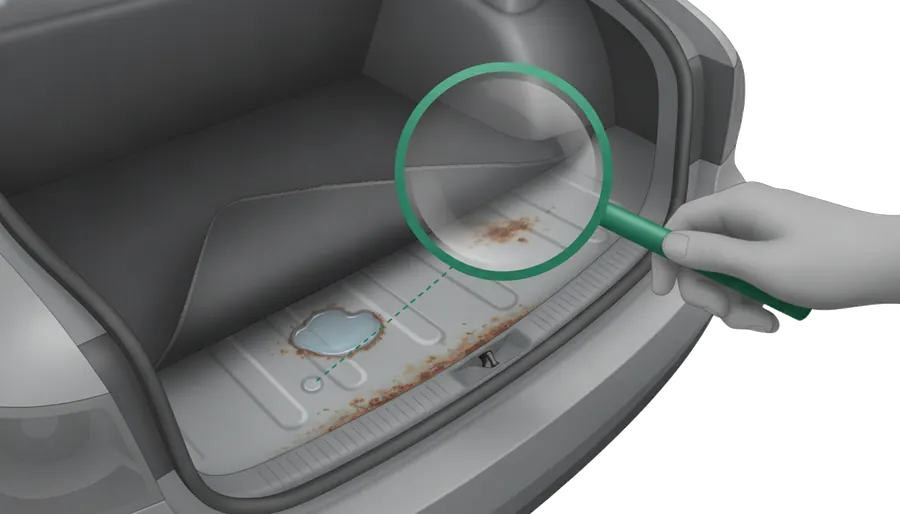
Check the boot and footwells for a damp smell or water ingress
Leaks point to a failed seal or previous flood/accident damage, and breed mould and electrical faults.
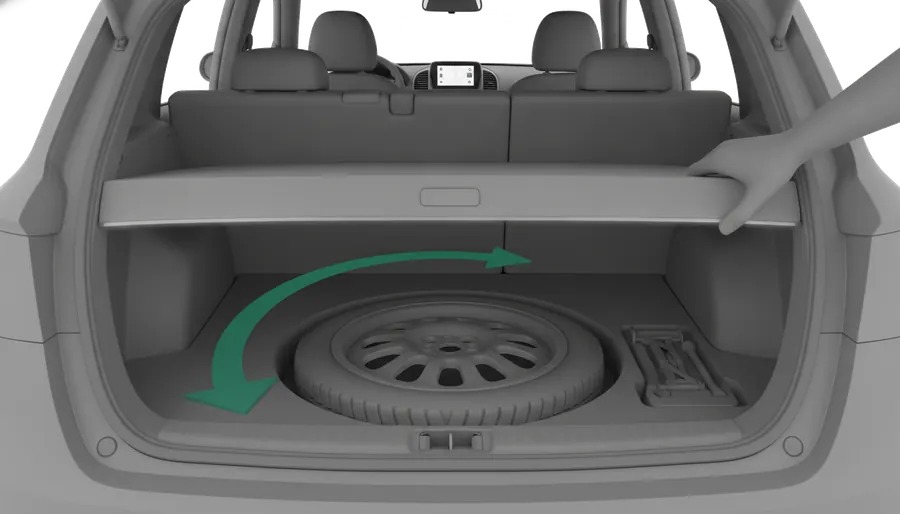
Confirm the spare wheel or inflation kit is present and usable
Many sellers remove the spare; check it matches the car and the kit's sealant isn't expired.
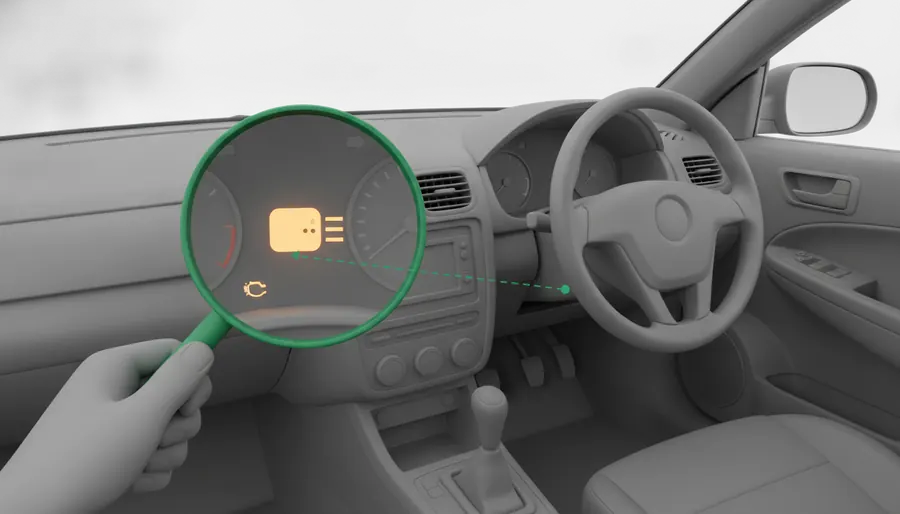
Check the dash for a DPF or emissions warning and ask when it was last regenerated
A blocked DPF on a car used for short trips is a common, expensive fault (£300–1,500+).
Before You Start the Car
Cold-start checks before the engine warms up
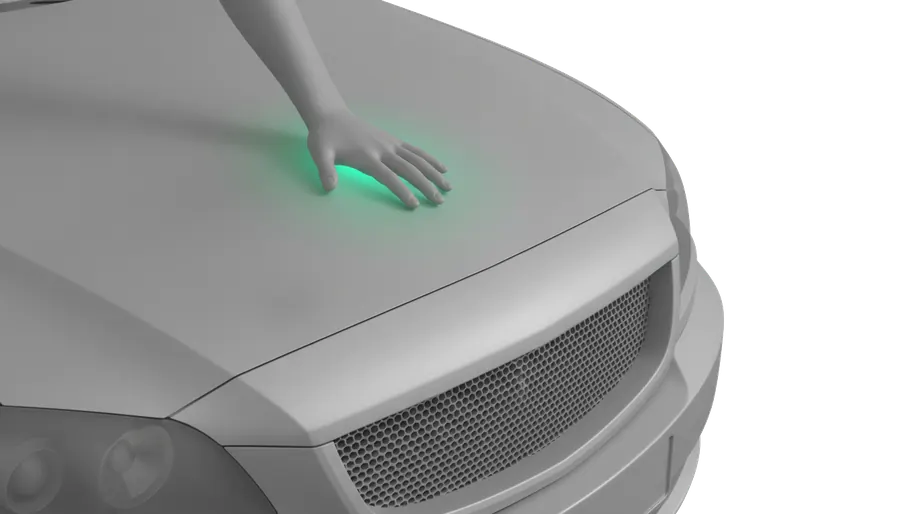
Before starting, touch the bonnet — it must be stone cold
Sellers warm the engine to hide cold-start faults. Timing-chain rattle, rod-bearing knock and turbo noise are only audible from cold.
Test Drive
How it drives — with prep tips first
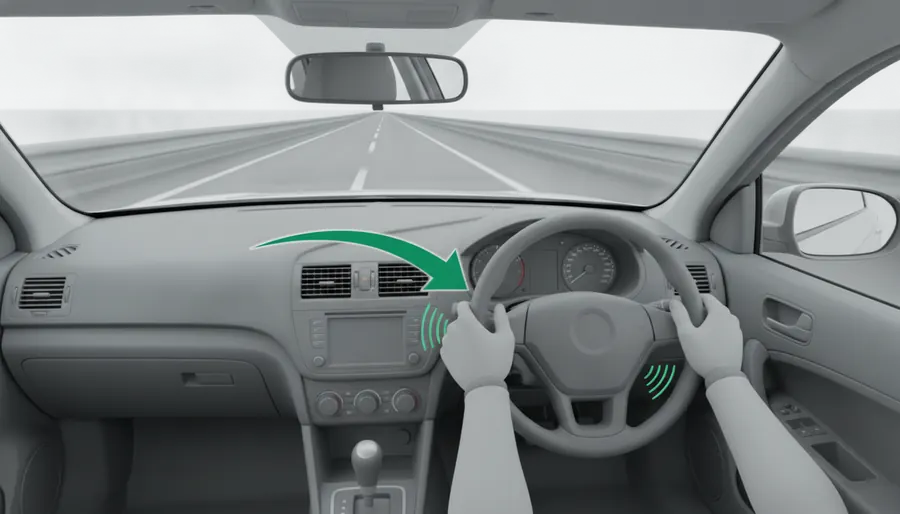
On a clear, safe road brake firmly once from ~30 mph — feel for pulling or judder
Pulling to one side or a pulsing pedal means warped discs, a sticking caliper or uneven brakes (£150–500+).
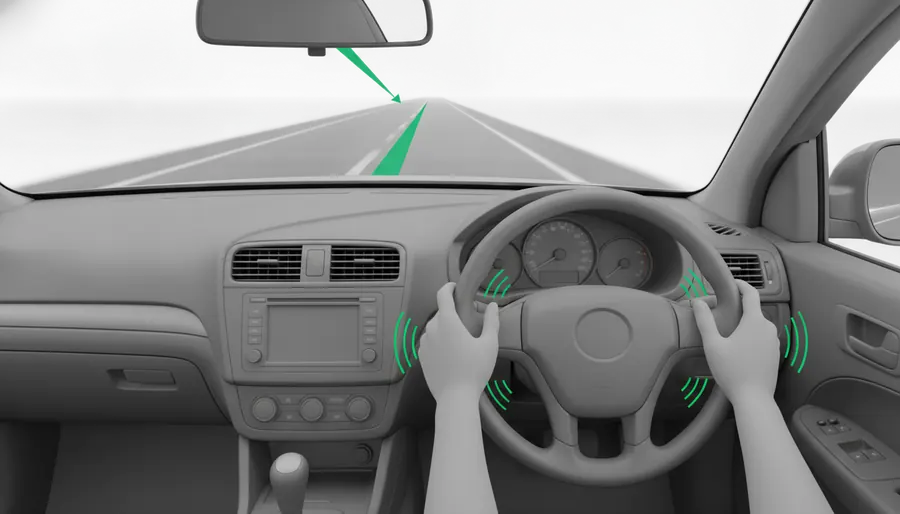
Hold a steady speed hands-light on the wheel — note any pull or vibration
Pulling means tracking or a brake/suspension fault; vibration through the wheel means out-of-balance wheels or worn parts.
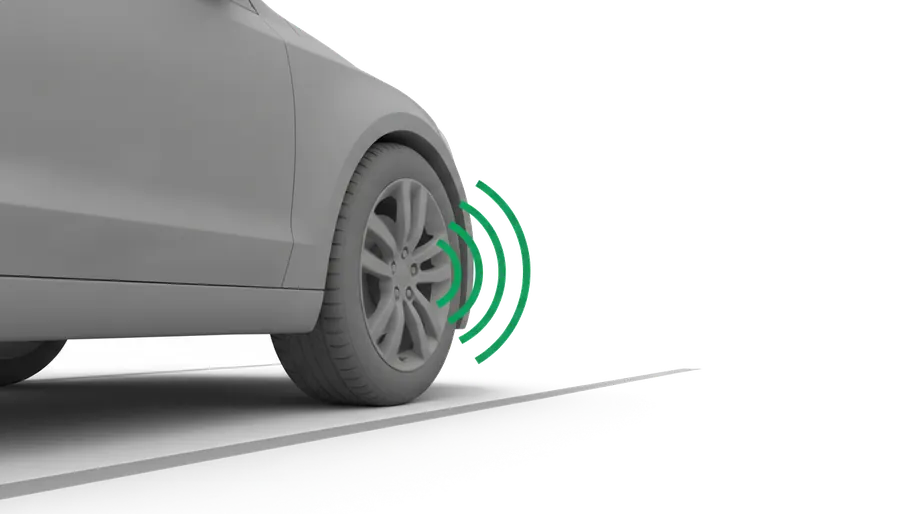
At low speed on full lock, listen for a rhythmic clicking
Clicking on lock is a classic worn CV joint / driveshaft — typically £150–350 per side.
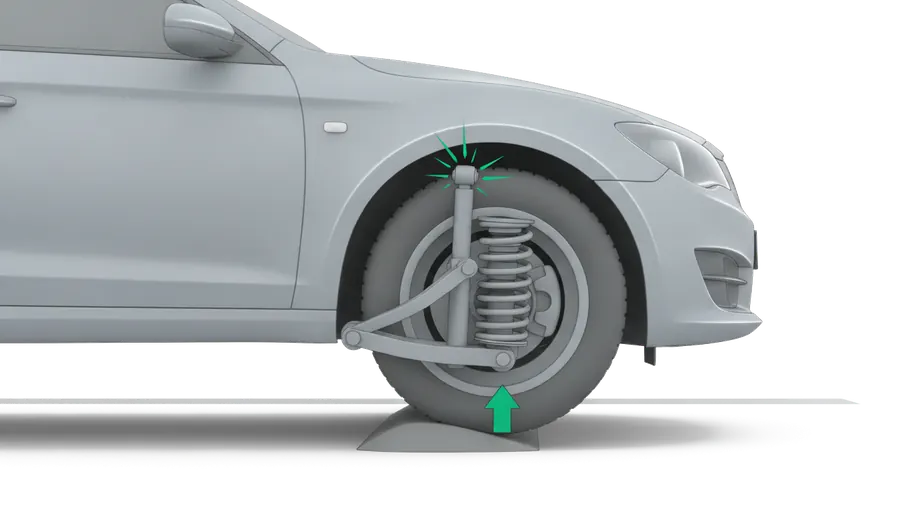
Drive slowly over bumps and listen for knocks, clunks or rattles
Suspension knocks point to worn bushes, drop-links, top mounts or arms — common and stackable costs.
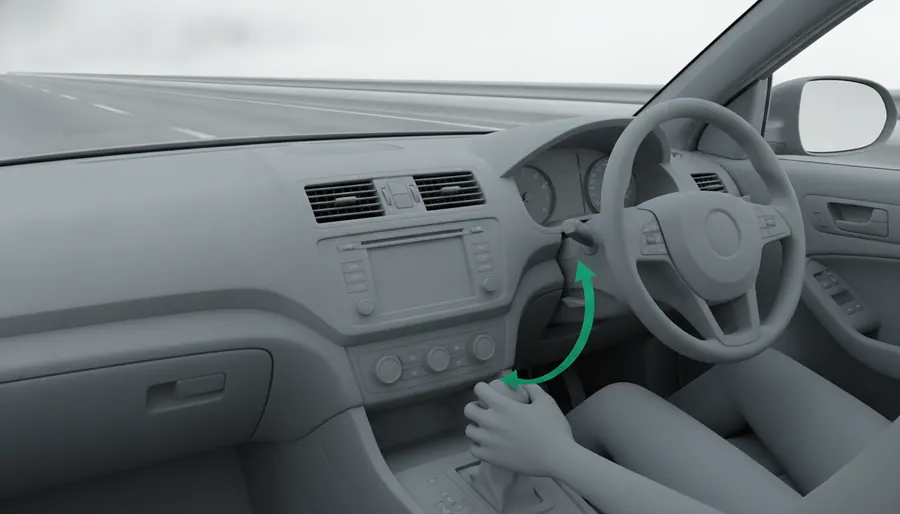
Pull away and accelerate — power should build smoothly, with no jerk, slip, clunk or hesitation
Jerking, slipping or clunking under power points to a transmission, clutch, driveline or (on an EV) inverter/reduction-gear fault.

While driving, confirm NO warning lights appear on the dashboard
Lights that only show under load reveal faults a static check misses.
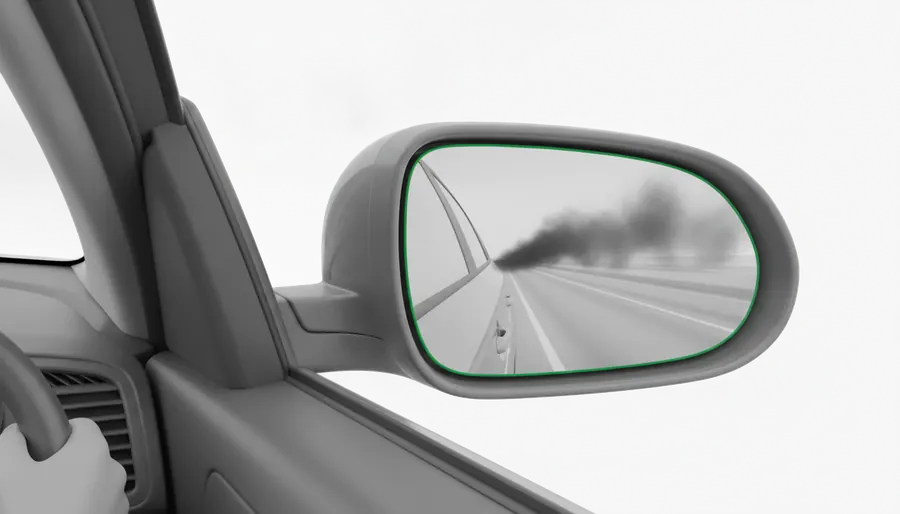
Under acceleration, watch the exhaust in your mirrors for smoke
Blue smoke = burning oil; black = over-fuelling/DPF; white beyond warm-up = coolant in the engine. Cold-start smoke is covered separately in the Cold Start Check, right after the engine first fires.
Check gear changes are smooth — manual: the clutch bites cleanly and doesn't slip; auto: no jerk, flare or slip
A high or slipping clutch, or an auto that hunts/slips, signals an expensive transmission repair (£600–3,000+).
While driving, confirm the temperature gauge stays steady and doesn't climb
A climbing gauge under load points to a cooling-system fault — overheating can wreck an engine.
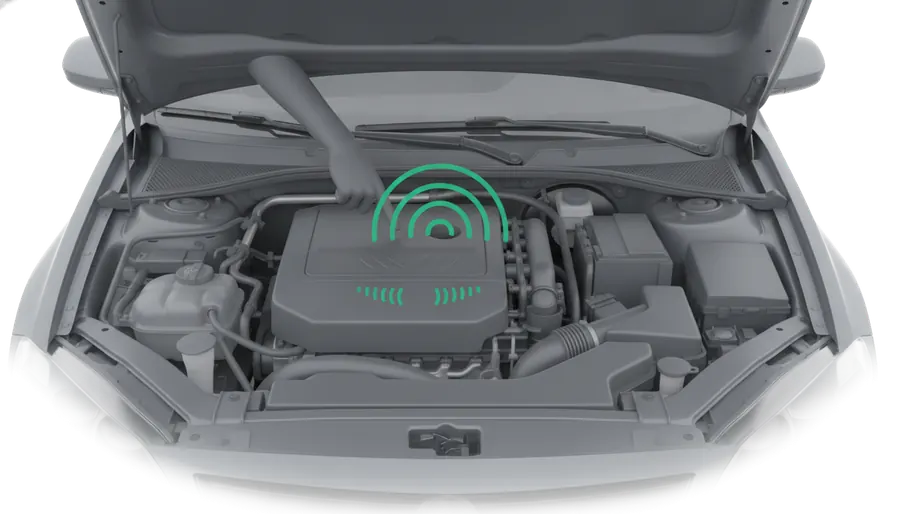
At idle, listen for excessive injector clatter or a rough, hunting idle
A light tick is normal; loud knocking or misfire at idle points to worn or failing injectors.
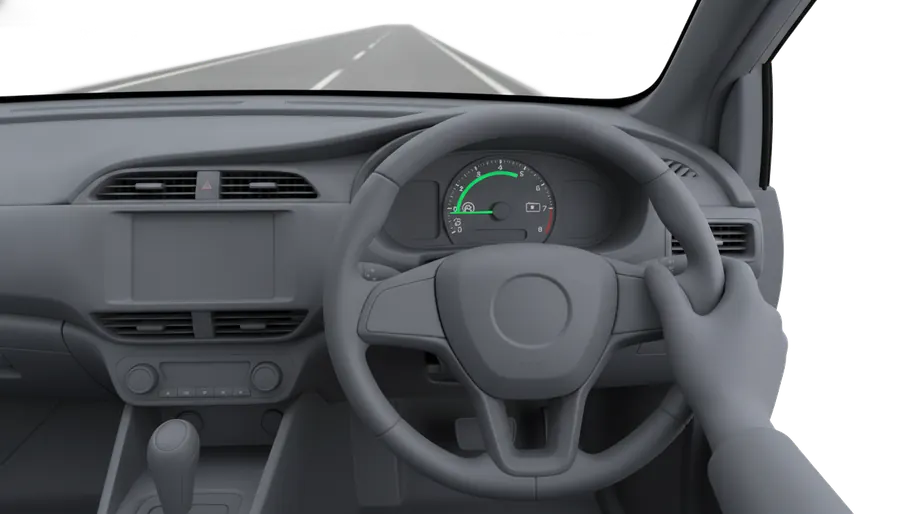
On the drive, confirm regenerative braking engages smoothly when you lift off
Faulty regen or inconsistent braking feel can indicate battery, inverter or brake-blending faults.
Documents & History
V5C, service history and MOT records

Check the V5C logbook: seller's name & address match, and the VIN + engine number match the car
A mismatch can mean a cloned identity or a write-off rebuild. Never buy from someone who isn't the registered keeper.

Review the service history — stamps AND invoices — and that scheduled servicing is up to date
Gaps or 'lost' history hide skipped maintenance and unresolved issues.

Check past MOT certificates and that the recorded mileage rises consistently
Mileage that jumps around or drops between MOTs is a clear clocking warning.

Ask to see TWO keys, plus any locking-wheel-nut key
Confirm both exist before you commit — a second key is ~£150–300 to cut & code, and a missing locking-nut key means a costly removal if you get a puncture.
Confirm the cam belt or timing chain has been changed if it's due for its interval
A snapped cam belt can destroy an interference engine — it's a big, scheduled service cost.
Six things a perfect walkaround still misses
You could do all 48 checks above flawlessly and still not know any of this. None of it is visible on the car.
-
Outstanding finance Decision Report
If money is still owed the lender owns the car, not the seller — and not you, after you have paid for it.
-
Insurance write-off Decision Report
Category A, B, S or N, with the type of loss and the date it came back onto the road.
-
Recorded stolen Decision Report
Whether it is on the police database, which force logged it, and when.
-
Mileage anomaly Decision Report
A reading that went backwards across its MOT history, and how it compares to the average for its age.
-
Open safety recalls Free check
Manufacturer recalls issued for this model and never confirmed as carried out.
-
Advisories that keep coming back Free check
The same fault written down two years running: flagged, ignored, flagged again. The strongest question you can ask a seller.
Finance, write-off, stolen and mileage records come from the paid provenance check. Recalls and repeat advisories are part of the free lookup.
Before you go and see anything
Read the car’s MOT history and know which advisories actually matter — half the checks above are only interesting once you know what the last tester already wrote down. Then make the five-minute phone call, which is the cheapest filter in the whole process.
It is also worth knowing what fails on the model you are considering rather than on cars in general: we hold first-time MOT failure rates for 967 models from 24 million DVSA tests — a 2014–2017 Ford Focus, for instance, fails first time 21.8% of the time against a national 24.5%.
Check a registration free → More guides →
A guided inspection is not a substitute for a professional mechanical inspection, and AI analysis is a probabilistic tool rather than a certification. Costs are typical UK ranges, not quotes.